History of Mechanical Simulation
Mechanical Simulation Corporation was founded in 1996 to make simulation technology from a University Research Institute available to the automotive community.
Mechanical Simulation was acquired in 2022 by Applied Intuition, inc., headquartered in Mountain View, California. Details are provided in a March 14 Press Release.
Vehicle Dynamics
Starting in the late 1960s, the University of Michigan Transportation Research Institute (UMTRI) was a pioneer in developing knowledge about vehicle dynamic behavior and modeling. Knowledge about vehicle dynamics came from experimental testing, development of math models and algorithms, and special laboratory tests and measurements to obtain the vehicle/tire properties needed to use the models.
The early research projects included extensive work in which modeling assumptions were validated by direct comparison with test data.
The modeling concepts and assumptions developed at UMTRI and elsewhere underlie the CarSim and TruckSim models. In addition to emphasizing the correctness of the physics and associated math, we apply the research results to include vehicle properties that are both significant and measurable.
VehicleSim Technology for Physics Models
In the late 1980s, UMTRI scientist Dr. Michael Sayers developed the world's most advanced automated code generation capability for vehicles and other multibody systems. The code generator (originally called AutoSim) was used at UMTRI to create new vehicle models with unparalleled computational efficiency. The original symbolic multibody program, now called VS Lisp, has been continuously developed and maintained at Mechanical Simulation in order to generate core equations for the 3D multibody vehicle models in BikeSim, CarSim, and TruckSim.
Current Development Teams
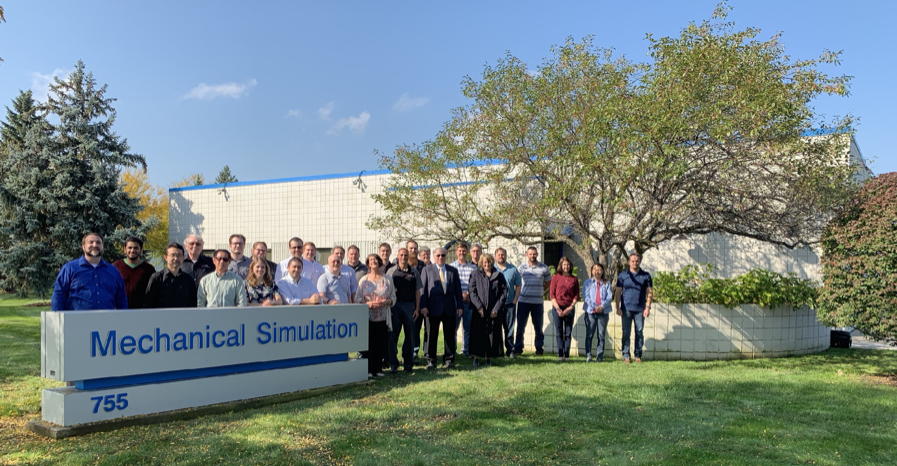
As our company has grown, and newer technology has become available, development is now handled by multiple teams.
- We have a team of mechanical engineers with decades of experience in vehicle dynamics behavior and developing models that replicate that behavior. They also develop new applications and provide highly informed tech support. Some of the mechanical engineers are also experienced programmers who code most of the physics-based parts of the software.
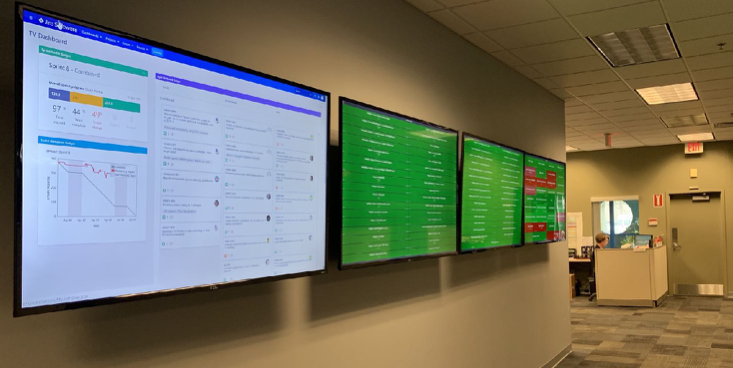
- Our team of software engineers provides advanced tools for database management, visualization, and connections to other tools. They have created a highly automated process to build and test our tools on multiple operating systems.
- Our support team continually expands its knowledge and experience with VehicleSim products. This team is part of product development, which allows the team to influence product direction and provide first-hand accounts of customer experiences.
- Our real-time development team has access to an ever-growing number of real-time platforms. The responsibilities of this team have grown as customers build increasingly complex real-time hardware environments.
- Our art team has decades of experience providing 3D digital artwork for video gaming (prior to joining Mechanical Simulation) and now provides art for vehicles, environments, and pedestrians.
Documentation
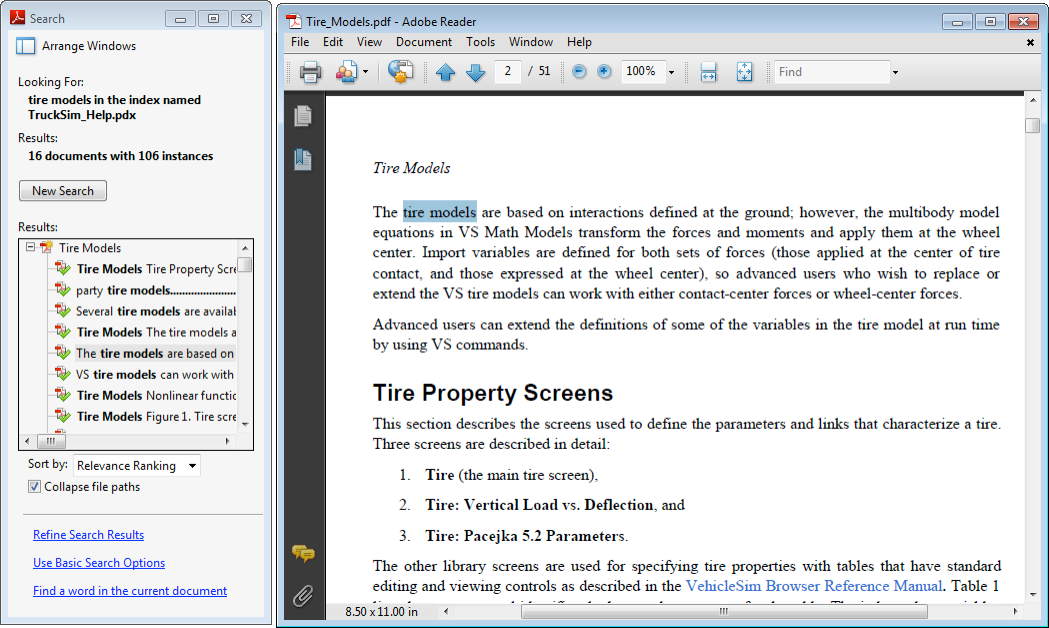
Coming from a university background, we have always provided extensive documentation about the models and technical methods. The same priority was given to usage documentation. In addition to reference manuals for all parts of the software, the documentation includes quick start guides and technical memos describing how to use the software for common activities.